At Trimble Dental, our dental implant services include not only providing these important procedures themselves, but also ensuring our patients are well-prepared for future care and upkeep of their implant and their entire mouth following any such procedure. In this two-part blog series, we’ll go over some basics on how to care for your implant, including some tips on how to manage dental appointments in the immediate aftermath of the procedure.

Think of the Implant as a Normal Tooth
As we alluded to above, there’s a strange phenomenon where some people who receive dental implants somehow believe they’re wildly different from normal teeth. They may assume that a dental implant is virtually indestructible, or that it doesn’t require the same level of care. In reality, though, dental implants are just like any other teeth — they need to be brushed, flossed and taken care of just like the rest of your pearly whites.
This is doubly important given that, in many cases, dental implants are placed where there was a tooth previously. If that tooth was not well-cared-for, there’s a good chance the implant could become infected as well. In general, you should be brushing your teeth at least twice a day and flossing once daily; if you’re unsure about how to properly floss around your dental implant, ask your dentist or hygienist for more information.
Keeping a Regular Checkup Schedule
Down related lines, it’s important to keep up with regular dental checkups even after you’ve had an implant placed. In fact, it may be even more important — teeth cleanings are vital for keeping your mouth healthy, and they allow your dentist to catch any potential problems early on.
At Trimble Dental, we recommend our patients come in for a cleaning and checkup every six months; during these appointments, we can give your mouth a good once-over and make sure everything is looking as it should. We’ll also be able to clean any hard-to-reach places around your dental implant that you may have missed while brushing at home.
In part two of our series, we’ll look at a couple additional important areas like hygiene and watching for signs of infection on your dental implant. For more on implant procedures, or to learn about any of our general dentist services, speak to our team at Trimble Dental today.
]]>Deprecated: Creation of dynamic property RankMath\Post::$rank_math_primary_category is deprecated in /home/trimbledentalinf/public_html/wp-content/plugins/seo-by-rank-math/includes/class-metadata.php on line 118
At Trimble Dental, we’re happy to provide dental implant surgery for a variety of Menomonie patients and their every need — plus full expertise on how to manage your mouth following any such procedure. While part one of our series went over some general timing themes and a word on hard foods, today’s part two will look at a few other important concepts that will generally be advisable with regard to food and eating following dental implants.

Stick to Naturally Soft Foods
Wherever possible, especially in the days immediately following your dental implant surgery, aim to stick to naturally soft foods. This means avoiding hard-to-chew foods like meat, but also more refined menu items like crusty breads and even potato chips.
You would be surprised how easy it can be to accidentally chip a tooth post-surgery if you’re not careful about what you’re eating and how you’re chewing. Rather than some of the options above, look for naturally soft foods like mashed potatoes, scrambled eggs, cheese, soups, yogurt and even certain fruits like bananas.
Meat Cravings
If you do have a meat craving, the general recommendation here is to go with a softer form of “meat,” ideally fish if you can get that. Salmon is a great choice, as it’s high in protein and also relatively easy to chew without worrying about accidentally nicking your new dental implants.
In addition, some patients might find that over time — as their implants settle in and the area around them heals — they can branch out a little bit and eat softer meat proteins. This will vary from patient to patient, so be sure to check with your dentist before making any such dietary changes on your own.
Avoid Acidic Options
For many patients, the dental implant surgery process is a time when they need to avoid acidic options that can cause irritation or discomfort in the mouth. This means avoiding foods like grapefruit and citrus, but also be careful with products like lemons and limes.
Given all of these factors — as well as any other individual advice you might receive from your dentist — you should be able to have a fairly smooth, easy transition back into your regular diet in the days and weeks following dental implant surgery. Check with your dentist for more advice on this topic and how best to keep your mouth healthy after any type of oral surgery.
To learn more about this or any of our dental implants or other general dentist services in Menomonie or nearby areas, speak to our team at Trimble Dental today.
]]>Deprecated: Creation of dynamic property RankMath\Post::$rank_math_primary_category is deprecated in /home/trimbledentalinf/public_html/wp-content/plugins/seo-by-rank-math/includes/class-metadata.php on line 118
At Trimble Dental, we’re happy to offer the very best dental implant services around, plus quality expertise and communication from our staff to any patient who has scheduled an implant procedure with us. In this two-part blog series, we’ll go over some simple tips how to maintain strong nutrition after a dental implant procedure without risking the healing process in your mouth.

How Long Will Recovery Take?
Firstly, maybe the most common question we get: How long will the recovery process be after dental implants? The answer can vary from person to person, but in general most patients report feeling back to normal within a few weeks following their procedure.
Of course, it’s vital during this time that you take care of your mouth as it heals – which includes being careful about what you eat. The precise amount of time during which you’ll have to be careful about your eating and drinking habits can depend on several factors, from the nature of the procedure itself to the speed of your individual healing process.
As a general rule of thumb, though, we tell our patients that they should be prepared to take it easy on their mouth for at least the first 24 hours following their procedure. Many patients will have to continue this approach for some additional period of time, whether that’s a couple days or up to a week or two in some cases.
Our next several sections will go over some of the general tips that we often provide to clients during this time.
Avoid Nuts, Seeds and Overly Crunchy Foods
During the initial period following your procedure, you’ll have to be careful about anything that could potentially disrupt the healing process in your mouth. This includes both hard foods that could cause physical damage as well as crunchy foods that might get caught on and disturb the area around your dental implants.
You should avoid eating any nuts, seeds or other small, hard items during this time. This also goes for popcorn, which can be difficult to eat without putting undue pressure on your mouth. It’s best if you stick to softer foods that are unlikely to cause any problems as you heal.
In addition, you should also avoid any excessively crunchy foods. This means things like chips, pretzels and the like – anything that might put unnecessary stress on your still-healing implants. It’s best to go for softer options like crackers during this time instead.
For more on this, or to learn about any of our dental implant or other oral health services, speak to the staff at Trimble Dental today.
]]>Deprecated: Creation of dynamic property RankMath\Post::$rank_math_primary_category is deprecated in /home/trimbledentalinf/public_html/wp-content/plugins/seo-by-rank-math/includes/class-metadata.php on line 118
At Trimble Dental, we’re happy to offer a variety of cosmetic dentistry services along with our dental implants, sedation dentistry and other procedures. What are some other key areas to inquire about before any cosmetic dental appointment? Here are several.

What Are the Benefits and Risks of My Procedure?
It’s very important for patients to be well-informed about their procedure. Every cosmetic dental procedure has its own set of benefits and risks. For example, teeth whitening is a very popular cosmetic procedure that can brighten your smile by several shades. The main benefit is an improved appearance, but there are some risks to consider as well. These can include increased tooth sensitivity, gum irritation and even burns to the gums if the whitening agent is left on for too long.
That’s just one example of many. Be sure to ask your dentist about the specific benefits and risks of your chosen procedure.
What Are My Alternatives?
In some cases, there may be more than one way to achieve the results you’re looking for. It’s important to explore all of your options before making a decision. For example, if you’re interested in straightening your teeth, you may be considering traditional metal braces or Invisalign. Both options can achieve similar results, but they have different benefits and drawbacks. Be sure to ask your dentist about all of the available options before making a decision.
What Are the Estimated Costs?
Another important factor to consider is the cost of your procedure. Some procedures, like teeth whitening, are relatively affordable. Others, like dental implants, can be quite expensive. It’s important to have a clear understanding of the costs before you make a decision.
At Trimble Dental, we offer a variety of financing options to help make dental care more affordable. We also offer a discount dental plan that can save you money on routine dental care and many common procedures.
What Is the Recovery Time?
After your procedure, you’ll need some time to recover. The recovery time will vary depending on the procedure you choose. For example, teeth whitening is a minimally invasive procedure with a short recovery time. Dental implants, on the other hand, require a longer recovery time. It’s important to ask about the recovery time before you make a decision.
These are just a few of the questions you should ask before you choose a cosmetic dental procedure. For more information, or to schedule an appointment, contact Trimble Dental at your nearest convenience.
]]>Deprecated: Creation of dynamic property RankMath\Post::$rank_math_primary_category is deprecated in /home/trimbledentalinf/public_html/wp-content/plugins/seo-by-rank-math/includes/class-metadata.php on line 118
At Trimble Dental, we’re here to provide the best cosmetic dentistry services you can find in Menomonie or surrounding areas. We’ll happily sit down with you to discuss your needs and desires for a cosmetic procedure, and we’ll take all of your questions here as well. What are some of the most important areas to inquire about if you’re interested in cosmetic dentistry? Here’s a primer.

What’s the Dentist’s Experience With My Desired Procedure?
First and foremost, you’ll want to ask how much experience the dentist has with your desired procedure. There are many different types of cosmetic dentistry, and while some practitioners may be experienced with all of them, it’s more common for a dentist to specialize in one or two areas. Make sure you’re comfortable with the amount of experience your practitioner has before you move forward.
In addition, you should ask about the dentist’s success rate with the procedure in question. This will give you a better idea of what to expect and whether or not you’re likely to be satisfied with the results.
Which Procedure is Best for Me?
The realm of cosmetic dentistry is a wide one, and there are many different procedures that may be able to help you achieve your desired look. Before you commit to one, it’s important that you understand all of your options and how each might be able to benefit you.
Your practitioner should be able to give you a rundown of each procedure they offer and help you decide which is the best fit. Perhaps you’re in need of teeth whitening, but you’re also interested in getting veneers. In this case, the dentist may recommend doing the whitening first to see if that’s enough to achieve your desired results.
What will the Procedure Entail?
No matter which procedure you ultimately decide on, it’s important to have a clear understanding of what will be involved. This includes everything from the actual procedure itself to the recovery process and any aftercare that may be required.
Your dentist should be able to give you a detailed explanation of what to expect before, during, and after your procedure. This will help you be better prepared for what’s to come and know what to expect in terms of discomfort, healing time and more.
For more on what to ask your dentist ahead of any cosmetic dental procedure, or to learn about any of our dental services to Menomonie clients, speak to our team at Trimble Dental today.
]]>Deprecated: Creation of dynamic property RankMath\Post::$rank_math_primary_category is deprecated in /home/trimbledentalinf/public_html/wp-content/plugins/seo-by-rank-math/includes/class-metadata.php on line 118
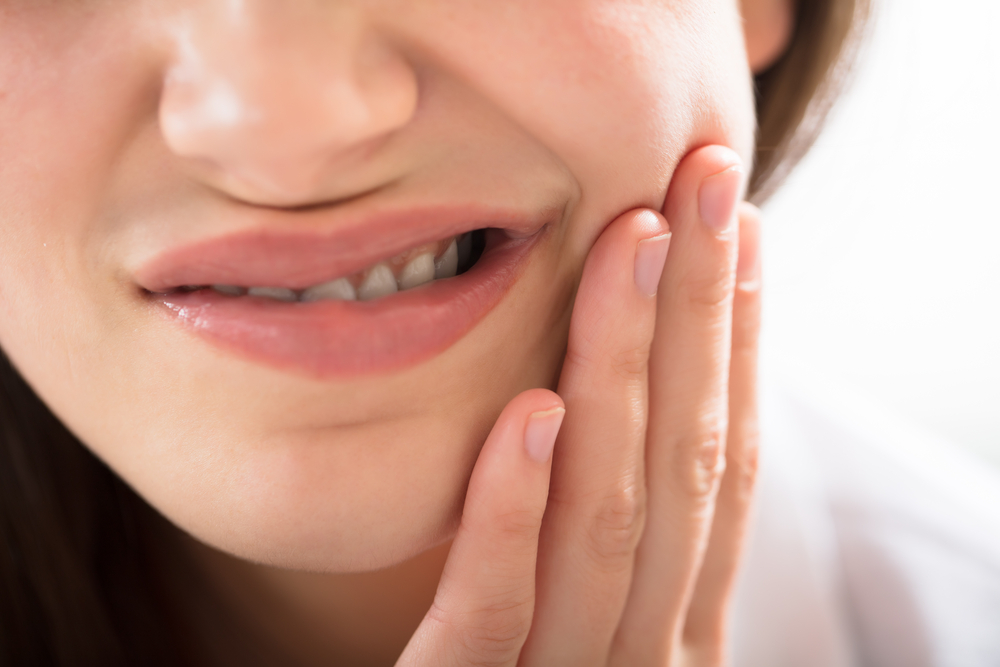
At Trimble Dental, we’re proud to offer a huge range of dental services, from general dentistry to sedation dentistry, emergency services and many other areas in between. In today’s part two of our series, let’s dig a bit further into some of the more in-depth remedies that are sometimes needed for those who have significant or severe cases of tooth sensitivity.
Root Canal
Sadly, some of the same elements that lead to tooth sensitivity can also lead to infection in or around the root of the tooth. When this occurs, a root canal may be required in order to save the tooth and prevent serious pain or damage.
A root canal is a fairly common procedure that our dentists here at Trimble Dental are highly skilled at performing. The goal of a root canal is to remove the infected pulp from inside the tooth while also cleaning and disinfecting the inside of the tooth. Once this is done, the tooth is then sealed off to prevent future infection.
In many cases, a root canal can save a tooth that would otherwise need to be extracted. And while root canals have somewhat of a bad reputation, they’re actually not nearly as painful as most people believe. Thanks to advances in dental technology and pain management, root canals these days are typically no more painful than getting a filling.
Bonding or Desensitizing
Another approach that can be taken to help with tooth sensitivity is what’s known as “bonding” or “desensitizing.” This involves using a special type of dental resin that’s applied directly to the sensitive teeth in order to help shield them from hot, cold or acidic stimuli.
In some cases, this resin can be applied directly to the exposed root surfaces. In other cases, it may be used to fill in any cracks or chips in the teeth that may be causing sensitivity.
The bonding material is usually very strong and can last for several years with proper care. And best of all, it’s a relatively quick and easy procedure that can be done right here in our office.
Surgical Gum Graft
In some other cases, tooth sensitivity is a result of receding gums. When the gums start to pull away from the teeth, it can expose the roots and make them much more sensitive to hot, cold or acidic stimuli.
In cases like this, a surgical gum graft may be needed in order to cover up the exposed roots and help protect them from further damage. This is a fairly common procedure that’s typically done right here in our office.
During a gum graft, a small piece of gum tissue is taken from another area of the mouth and then grafted onto the exposed root surfaces. This helps to cover up the roots and protect them from further damage. In some cases, artificial gum tissue may also be used.
For more on the remedies that might be needed for extensive tooth sensitivity, or to learn about any of our general dentistry or other services, speak to the staff at Trimble Dental today.
]]>Deprecated: Creation of dynamic property RankMath\Post::$rank_math_primary_category is deprecated in /home/trimbledentalinf/public_html/wp-content/plugins/seo-by-rank-math/includes/class-metadata.php on line 118
At Trimble Dental, we’re proud to offer general dentistry and related services that assist clients with a huge range of potential issues, including tooth sensitivity and any related problems. What exactly is tooth sensitivity, and what are some of the methods our dentists commonly recommend to clients who deal with it, depending on severity and other factors? This two-part blog series will go over everything you need to know here.

Tooth Sensitivity Basics and Causes
As we noted above, tooth sensitivity can vary pretty significantly from person to person. For some people it’s present only rarely, causing minor discomfort that goes away quickly and doesn’t require any special treatment. Others, however, have to deal with chronic, debilitating pain, particularly when they eat or drink anything cold that triggers the sensitivity.
There are a few different things that can cause tooth sensitivity in the first place. In some cases, it’s simply due to an issue with the enamel — this is the hard outer layer of each tooth that protects the inner layers, made up of things like dentin. When the enamel wears down, it can expose the dentin and lead to increased sensitivity as a result.
Other times, though, it has more to do with the gum line or cavity issues. If the gum line recedes, it can leave more of the root exposed. And cavities, of course, are another big issue that can cause pain and sensitivity.
Luckily, there are ways to stop pain from sensitive teeth. Our next several sections will go over the most common.
Desensitizing Toothpaste
For many people, desensitizing toothpaste is a good first step towards reducing pain. These pastes don’t necessarily fix the underlying issue, but they can help to numb the nerve endings and reduce the amount of pain you feel when you eat or drink.
There are a few different brands of desensitizing toothpaste on the market, so it pays to do your research. If you’re looking for good recommendations here, our staff will be happy to help.
Topical Fluoride Application
For others still, topical fluoride application is the best way to go. This isn’t something you can do on your own; we recommend coming in for a professional session with one of our dentists if you’re interested in trying this method out.
This treatment involves us coating your teeth with a special fluoride based gel that penetrates deep into the enamel and helps to strengthen it. This can reduce the risk of cavities and also help to reduce pain and sensitivity.
In part two of our series, we’ll go over some more involved procedures that may be necessary for those who deal with extreme tooth sensitivity. For more on this, or to learn about any of our dental implants, cosmetic dentistry or any of our other dental care services, contact our staff at Trimble Dental today.
]]>Deprecated: Creation of dynamic property RankMath\Post::$rank_math_primary_category is deprecated in /home/trimbledentalinf/public_html/wp-content/plugins/seo-by-rank-math/includes/class-metadata.php on line 118
At Trimble Dental, we’re happy to offer the best sedation dentistry services in Menomonie, WI and surrounding areas. Who are some other strong candidates for sedation dentistry, and why might it be ideal for you if you’re among these groups of people? Here’s a basic primer.

People With Strong Gag Reflexes
Another group of people who commonly seek out sedation dentistry are those with strong gag reflexes. A gag reflex is your body’s natural way of trying to keep you from choking. It’s a normal, healthy thing. However, some people have such a strong gag reflex that it can make routine dental care difficult or even impossible.
Sedation dentistry can help people with strong gag reflexes by relaxing them and making it easier to get through the dental appointment. This is especially helpful for people who need extensive dental work done, as it can make the process much more tolerable.
People With Sensitive Teeth
If you have sensitive teeth, then you know how painful it can be to have them worked on. Even something as simple as getting a cleaning can be agonizing if your teeth are particularly sensitive. If you’ve been avoiding the dentist because of this, sedation dentistry may be a good option for you.
Sedation can help take the edge off of dental procedures for people with sensitive teeth, making them more tolerable. This can help you stay on top of your oral health and get the dental care you need without having to endure a lot of pain.
Long, Extensive Procedures
Even if you’re someone who doesn’t typically require sedation dentistry for more standard dental procedures, you may still want to consider it for more involved procedures. If you’re facing a long, extensive procedure, such as getting multiple teeth extracted or getting dental implants, sedation can help make the process more bearable.
Sedation dentistry can help take the edge off of long, invasive dental procedures. This can help you get through the procedure with less discomfort and anxiety.
These are just a few of the groups of people who may be good candidates for sedation dentistry. If you’re considering this type of dental care, talk to your dentist about whether it’s right for you.
At Trimble Dental, we’re happy to offer sedation dentistry for a variety of clients, plus several additional services to patients throughout Menomonie, WI and nearby areas. Contact us today to learn more about any of our programs or services!
]]>Deprecated: Creation of dynamic property RankMath\Post::$rank_math_primary_category is deprecated in /home/trimbledentalinf/public_html/wp-content/plugins/seo-by-rank-math/includes/class-metadata.php on line 118
At Trimble Dental, we’re happy to offer a variety of sedation dentistry services to our clients throughout Menomonie and other parts of Wisconsin, these in addition to the cosmetic dentistry and other general dentist services we provide. What are the various types of sedation dentistry, and who stands to benefit from them? This two-part blog series will go over everything you need to know.
Types of Sedation Dentistry
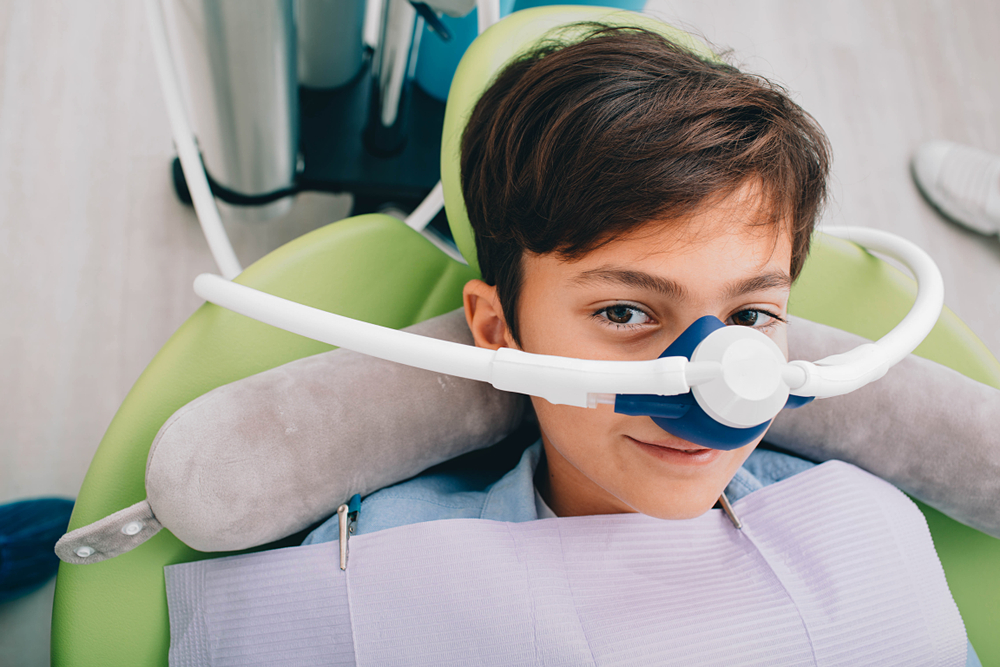
Generally speaking, there are three types of sedation dentistry offered to patients:
- Inhalation sedation: Nitrous oxide, or “laughing gas,” is given to the patient through a mask that they wear during the procedure. This also helps to calm and relax the patient.
- IV sedation: This type of sedation dentistry is the most potent and usually requires a hospital setting. A sedative is given to the patient through an IV, which will help them relax and often sleep through the procedure.
Which is chosen will depend on a few factors, such as the patient’s anxiety level, age, and overall health.
Our next several sections will go over the kinds of people who tend to be the best candidates for sedation dentistry, or who may even require it for dental procedures.
Major Anxiety or Dental Phobias
For some people, even the thought of a dental procedure can cause massive amounts of anxiety. This may be due to a previous bad experience, or simply because they’re worried about potential pain.
If you find yourself in this category, don’t worry – sedation dentistry can help. Inhalation sedatives work well for people who are anxious but not severely phobic, while IV sedation is usually reserved for those with more intense fears.
Sedation Dentistry for Children
Kids can often be just as anxious – if not more so – than adults when it comes to dental procedures. They may not understand what’s going on, they may be scared of the sound or smell of the drill, or they may be worried about the potential pain.
Sedation dentistry can help to ease these fears and make the experience much more manageable for children. Inhalation sedatives are a good option for kids, while IV sedation is generally not recommended for those under 18 years of age.
For more on sedation dentistry and who it’s meant for, or to learn about any of our dental services in these or other areas, speak to the team at Trimble Dental today.
]]>Deprecated: Creation of dynamic property RankMath\Post::$rank_math_primary_category is deprecated in /home/trimbledentalinf/public_html/wp-content/plugins/seo-by-rank-math/includes/class-metadata.php on line 118
At Trimble Dental, we’re proud to offer the best cosmetic dentistry services in Wisconsin, including everything from fillings and crowns to veneers, whitening services and more. In today’s part two of our series, we’ll go over some additional signs that you or someone close to you might need or desire cosmetic dentistry solutions.

Missing Teeth
Whether they’ve been knocked out due to a specific impact or through a more general wear and tear, missing teeth can be a major detriment to your appearance. Not only does it make you look older than you are, but it also affects the way that your lips sit on your face, thus causing an unbalanced smile.
In addition, missing teeth can pose major oral health problems, especially if a specific tooth has been missing for a long time. It may be difficult to eat certain things and bacteria can develop in those hard-to-reach places. This can lead to even more dental problems down the road.
There are multiple cosmetic dental options to remedy this situation, including several kinds of implants.
Smile and Confidence Issues
In other cases, the desire to improve one’s smile or change their general appearance stems from confidence issues. In these cases, a major renovation isn’t necessary as much as it is simply wanting to feel better about your smile and face.
In cases like this, teeth whitening may be the best solution for you. Teeth whitening won’t cost a lot of money relative to other cosmetic dentistry choices and, assuming that you have a healthy mouth, can be performed quickly and painlessly.
Chronic Headaches or Digestive Issues
Certain areas of oral care can occasionally bleed into overall health concerns, and one such example is when misaligned teeth cause pain in both the jaw and head. An abnormal bite can cause a huge amount of pain and discomfort, both from the strain on the jaw itself as well as from issues discussed in previous sections.
You may also be dealing with digestive issues based on improper chewing, which often traces back to problems with misalignment. If this is the case, you should see your dentist immediately to correct the problem before it worsens — there are multiple cosmetic dentistry procedures to help improve the bite.
For more on the signs that you might need cosmetic dentistry services, or to learn about any of our teeth whitening, dental implants or other dental solutions, speak to the team at Trimble Dental today.
]]>